Managing your money well is key to enjoying Australia without surprises, and it starts with knowing the real cost of living in Australia.
Here is a breakdown of the real costs so you can plan your monthly budget in Australia:
Monthly expenses table (AUD, 2026)
| Expense | Per month |
|---|---|
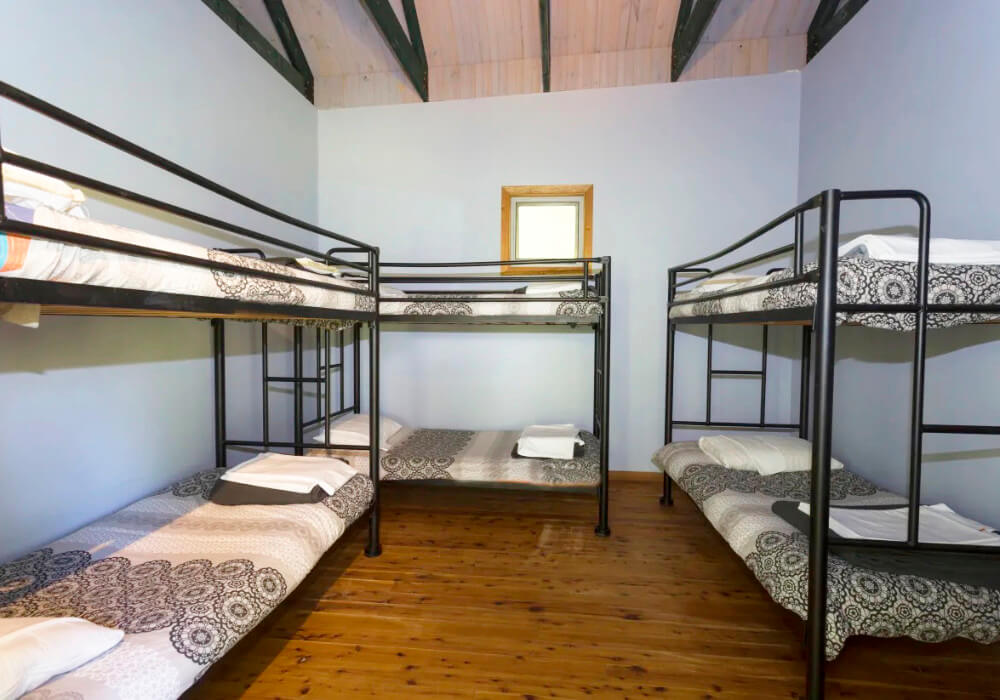
| Accommodation (shared room) | $700 – $1,900 |
| Food | $400 – $600 |
| Public transport | $40 – $220 |
| Extras (gym, going out, mobile) | $200 – $400 |
| Monthly total | $1,340 – $3,120 |
The higher figures apply to Sydney and Melbourne; Adelaide, Perth and regional cities are at the lower end. In Brisbane and on the Gold Coast, public transport costs 50 cents per trip.
For the student visa, the government requires you to show funds of AUD 29,710 per year for living costs.
Can you cover the cost of living in Australia by working?
The national minimum wage is AUD 26.44 per hour from 1 July 2026, and casual workers earn at least 25% more (AUD 33.05 per hour).
Working the 48 hours per fortnight allowed for students, you would earn approximately:
- AUD 2,750 – 3,440 gross per month
- Enough to cover your expenses in most cities if you stick to a sensible budget
Tips to save money
- Share accommodation: it cuts your rent significantly
- Cook at home: eating out is expensive, and cooking at home saves a lot
- Use student discounts: transport, cinema and activities
- Look for jobs with tips: hospitality can boost your income
At Blueroad we give you Excel templates and the best apps to keep track of every cent of your Australian budget.
Disclaimer: general information updated to November 2026. It does not constitute migration or legal advice. Requirements and fees change: check them at immi.homeaffairs.gov.au or with a registered migration agent (MARA) before lodging your application.
Related courses: English in Australia · Business, Management and Accounting